Scientists at the University of California San Diego (UCSD) have demonstrated a new variation of CRISPR genome editing technology that can correct mutations by copying genetic information from a healthy chromosome and inserting it into an affected mutation. And, as experiments have shown, this method works much better than simply cutting out the affected portions of the genetic code.
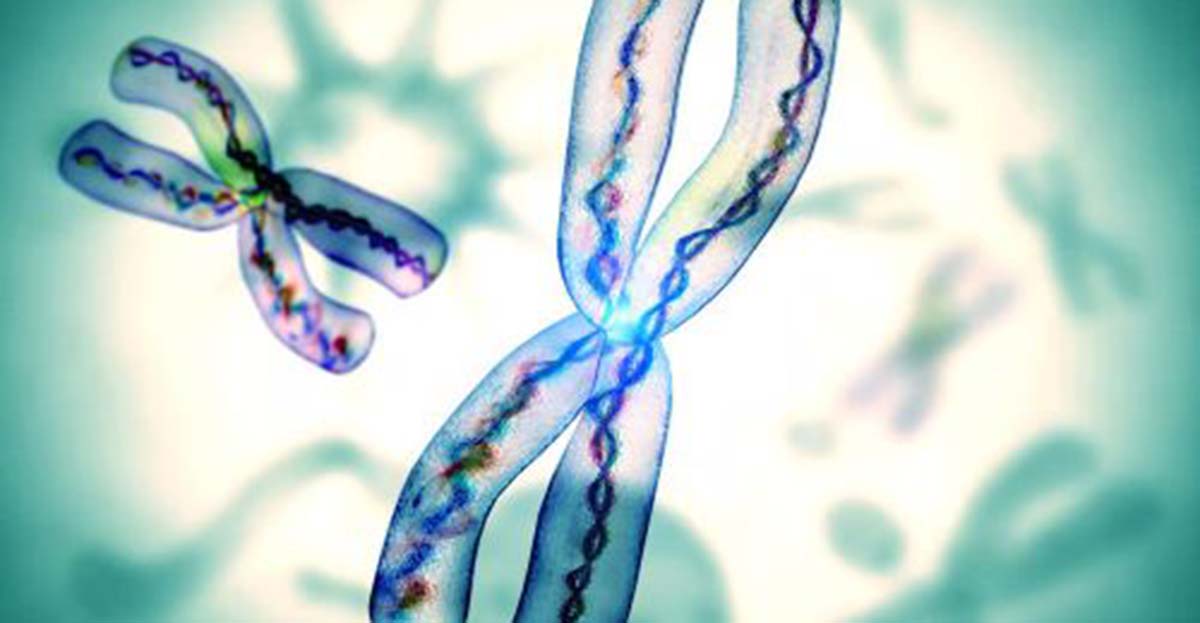
In many cases, genetic mutations affect only one chromosome, while the second chromosome contains a healthy and functioning version of the gene. And, using this fact, Californian scientists have developed a technology called Homologous Chromosome Repair (Homologous Chromosome-Templated Repair, HTR).
To demonstrate the power of HTR technology, scientists raised Drosophila flies with a gene mutation that can be seen visually. These flies had no red pigment in their eyes, making them white in color.
All of the mutant flies were divided into groups, each of which was tested with one of the mutation correction methods. Conventional CRISPR-Cas9 technology showed a low success rate and a high error rate because the Cas9 enzyme breaks both chains of the double helix of the DNA molecule. HTR technology showed much better results, but the most effective was a combination of HTR and one of the modifications of CRISPR technology called “nickases. This variant of CRISPR breaks only one strand of the DNA helix, allowing for more precise and safer editing of genetic information.
Experimental results showed that CRISPR-Cas9 technology had a success rate of 20 to 30 percent. The HTR + nickases bundle had a success rate of 50-70 percent, which returned flies’ eyes to their original color and minimized the number of unwanted side mutations.
Scientists believe the new HTR method could also be used on human cells in the future. “But we don’t yet know how to make it all work inside human cells so that it only affects some specific genes,” says Annabel Guichard, the lead researcher, “It’s likely that some adjustment to the HTR method will be needed to effectively correct human chromosomes that contain pathogenic mutations.”